
The courage to believe: The radical power of optimism
Apr 05, 2026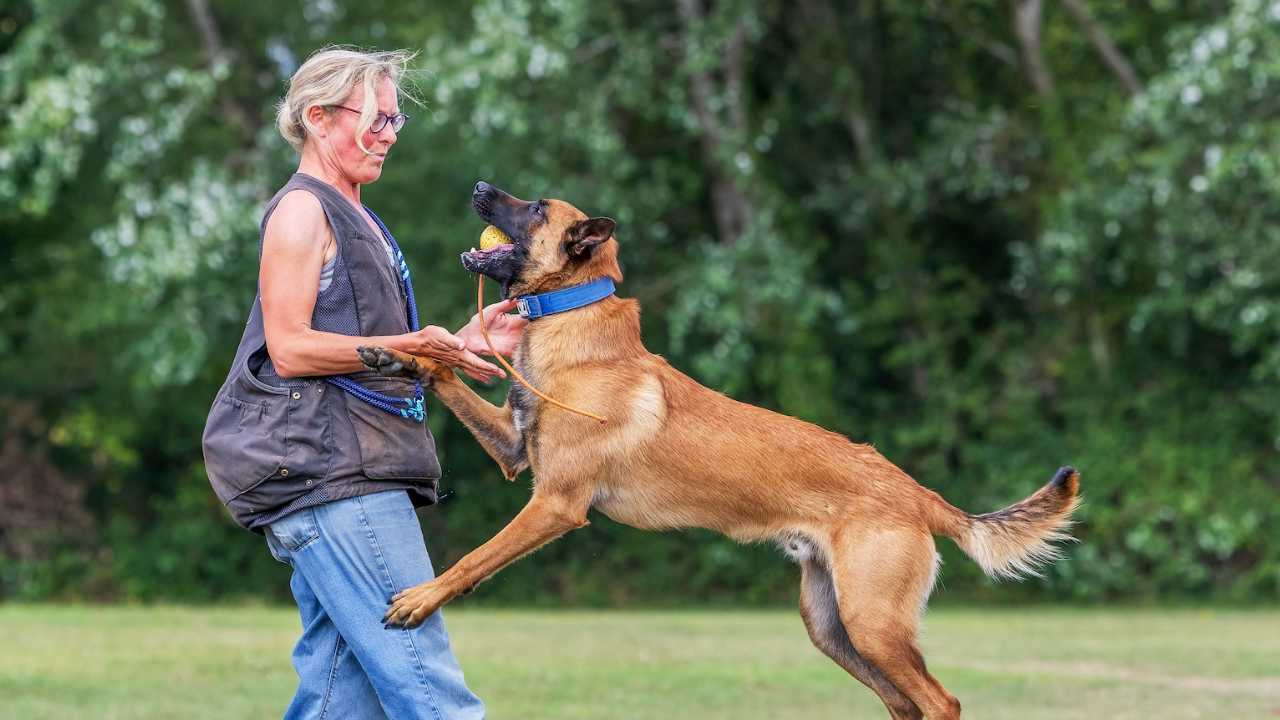
“The most important question a person can ask is, "Is the Universe a friendly place?”
―
Walk into any room, scroll through any feed, and you'll notice it: cynicism has become the default language. Doubt is treated as intelligence. Cynicism is worn like a badge of wisdom. Often combined with it its close sisters, bitterness and resentment of others. And those who dare to believe, to trust, who live with their hearts and believe the world to be a friendly place? They're dismissed as naive. All about unicorns and rainbows. Out of touch with reality.
The studies back this up. Over recent decades, the proportion of cynics in our culture has risen dramatically. We've lost faith in institutions, in each other, in the possibility of things working out. And somewhere along the way, we decided that cynicism was the smarter choice.
The Cynic Paradox
Here's what's fascinating: we believe cynics are smarter. In studies, people consistently rate open, trusting individuals as less intelligent than their cynical counterparts. We trust the cynic. We follow the cynic. We choose the cynic as our guide, our trainer, our leader.
But the data tells a different story.
Cynics actually perform worse on cognitive tests. They have lower emotional intelligence. Over their lifetimes, they earn less money. And their path to success? It's built on defeating others, making others feel small, encouraging others to point and laugh at the ‘loonies’. Shaming, bullying and controlling.
Yet we keep choosing them.
I did too. I chose a trainer who wielded cynicism like a weapon—sharp comments disguised as humour, disparaging remarks about students, cutting observations that made others laugh with relief that they weren't the target. The group bonded over shared mockery. It felt like belonging.
It took me years to realise: that wasn't leadership. That was a suit of armour.
Why We Wear the Armour
Cynicism doesn't appear out of nowhere. It's a response. A defense mechanism.
Most of us have been disappointed. Let down. We've believed in something or someone and experienced the sting of betrayal. We've had setbacks. We've felt the weight of unkindness. And so we put on the suit of armour, we become defensive and don a robe of cynicism, resentment and bitterness—to protect ourselves from ever feeling that way again.
It makes sense. It feels safe.
But here's what happens: the armour that was meant to protect us ends up suffocating us. We miss out on love. On genuine friendship. On the kind of collaboration that actually creates real success. We replace it with a love of drama. Of gossip. Of rallying around people who provide a comfort zone of safety, never questioning us.
Because real success—the kind that lasts, that feels good, that doesn't require stepping on others—requires something cynicism can't provide: trust. Partnership. Openness. Vulnerability.
The Unconventional Path
Self-belief in this culture is unconventional. Not the toxic kind—the performative confidence that's actually just numbing yourself from reality, the kind that needs others to defer to you to feel real. That's not self-belief. That's self-doubt wearing a mask.
Real self-belief is quiet. It's grounded. It's willing to be wrong. It's open to learning. And it's increasingly rare.
It's also increasingly necessary.
In dog sports, we talk about the partnership between handler and dog. You and your dog against the world. But that partnership only works if you believe in something: in your dog, in yourself, in the possibility that things can work out. Your dog feels what's in your heart. A closed heart—cynical, expecting the worst—communicates something very different than an open one.
Cynics operate from assumptions. They defend those assumptions rather than question them. They're closed to curiosity. And when they encounter something unfamiliar—like mindset work, like the idea that belief matters, like the possibility of real change—they dismiss it. Which makes sense. Cynicism is a closed system. It doesn't have room for new possibilities.
The Cost of Staying Closed
What I've come to understand is this: cynicism isn't wisdom. It's a wound that never healed. It looks like bitterness. Resentment.
And the culture we've built around it—where doubt is smart, where trust is naive, where expecting the best of people is foolish—that culture is costing us. It's costing us collaboration. It's costing us innovation. It's costing us the kind of deep, meaningful relationships that make life worth living.
It's also costing us our dogs.
Because when we're cynical, when we're closed-hearted, when we're expecting the worst—our dogs feel it. They respond to it. And the partnership we're trying to build becomes something else entirely.
What It Takes
Choosing to believe—in yourself, in others, in the possibility of growth and change—is one of the most countercultural things you can do right now.
It's not naive. It's brave.
It requires you to take off the armour, knowing that you might get hurt again. It requires you to stay open even when your instinct is to close down. It requires you to believe in collaboration in a culture that celebrates competition. It requires you to trust in a world that's taught you not to.
And yes, it's hard. It goes against the grain of everything around us.
But here's what I know: the people who do this—who choose belief over cynicism, openness over armour, collaboration over competition—they're the ones building something real. They're the ones creating genuine partnerships. They're the ones whose dogs trust them completely. They're the ones who, in the end, find real success.
Not the kind that requires stepping on others.
The kind that feels good in your bones.
The Quiet Revolution
If you're trying to build genuine self-belief in a culture that treats it as foolish, you're swimming upstream. That's not a flaw in you. That's a sign that you're choosing something harder, something rarer, something more real.
The armour might feel safer. But belief—real, grounded, open-hearted belief—that's where freedom lies.
Cynicism is lazy. It is often accompanied by resentment, bitterness and an underlying anger. Optimism is so much harder. Optimism, the belief that the world can be so much better.
“A cynic is a man who knows the price of everything, and the value of nothing.”
―

